
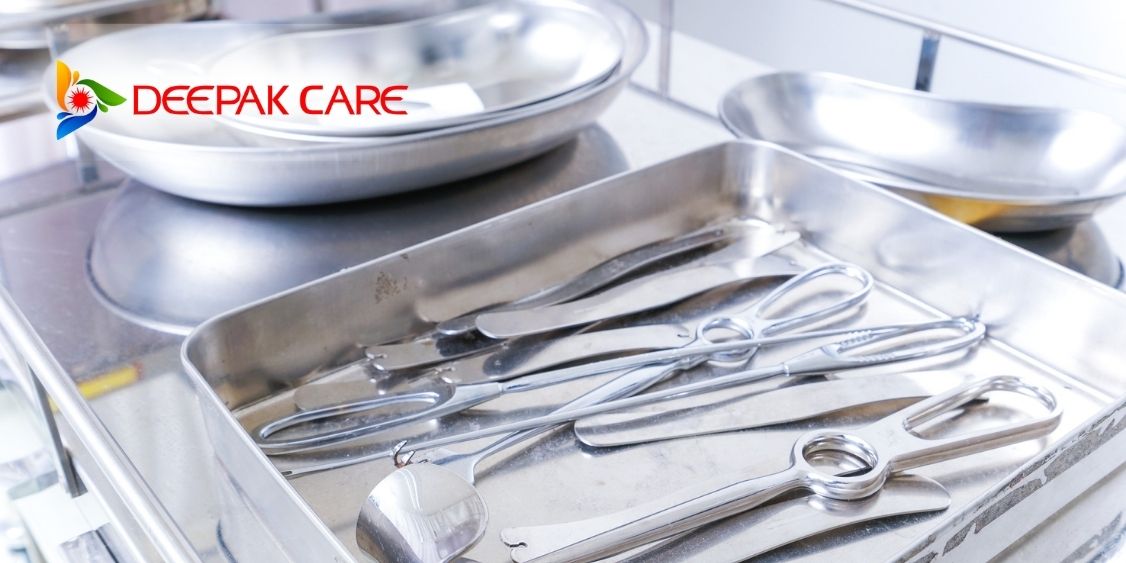
Ophthalmic surgeries require an extraordinary level of precision. Even the smallest imperfection in a tool can affect surgical outcomes and, ultimately, patient vision. That’s why the care and handling of Ophthalmic Surgical Instruments are as critical as the skills of the surgeon using them. Proper maintenance not only extends the lifespan of these delicate tools but also ensures the highest standard of safety and accuracy in every procedure.
Gentle Handling from the Start
The journey of instrument care begins the moment a procedure ends. Ophthalmic instruments are often fine-tipped and lightweight, making them highly susceptible to damage. They should always be handled gently, preferably placed on lint-free towels or in trays lined with soft material. Dropping or stacking them can cause micro-bends or dullness, which may not be visible but can compromise their performance during surgery.
Cleaning with Care
Cleaning is one of the most important steps in maintaining Ophthalmic Surgical Instruments. Any residue, no matter how small, can corrode delicate surfaces or interfere with functionality. Instruments should be rinsed promptly in distilled or deionized water after use. Avoid harsh scrubbing—soft brushes are ideal for removing debris without scratching. For intricate designs like forceps and scissors, ultrasonic cleaning devices can be extremely effective when used properly.
Proper Sterilization Techniques
Sterilization ensures instruments are safe for the next patient, but improper methods can shorten their lifespan. Steam sterilization is commonly recommended, but care must be taken to avoid overexposure to heat and pressure. Instruments should always be sterilized in an open position to prevent stress on hinges and joints. Using sterilization trays designed specifically for ophthalmic tools helps minimize unnecessary contact and potential damage.
Regular Inspections
Routine inspections are vital for maintaining precision. Surgeons and staff should look for signs of wear such as bent tips, loose joints, or dull cutting edges. Even minor irregularities can affect surgical outcomes. Establishing a system for regular checks helps identify when an instrument requires sharpening, adjustment, or replacement before it becomes a risk in the operating room.
Storage and Longevity
When not in use, Ophthalmic Surgical Instruments should be stored in clean, dry, and protective cases. Proper organization prevents tools from knocking against each other, which could cause subtle damage over time. Controlled environments, free from excess humidity, further protect against corrosion.
The precision of ophthalmic procedures relies heavily on the condition of the tools in hand. By practicing gentle handling, meticulous cleaning, careful sterilization, routine inspections, and safe storage, medical teams can preserve the integrity of their Ophthalmic Surgical Instruments. In doing so, they not only safeguard patient outcomes but also uphold the highest standards of surgical excellence.