

Key Features to Consider When Choosing the Right Ophthalmic Operating Microscope for Your Practice

Posted on Category:Equipment
Ophthalmic Operating Microscope

In the world of ophthalmic surgery, precision and clarity define success. A high-quality Ophthalmic Operating Microscope is one of the most vital investments for any eye care professional, as it directly impacts surgical outcomes, workflow efficiency, and patient safety. With the wide variety of models available today, choosing the right microscope can be challenging. Here are some key features to consider before making your decision.

1. Optical Quality and Magnification
The foundation of any microscope lies in its optics. Look for superior optical clarity, true color reproduction, and adjustable magnification levels. A high-quality lens system ensures that even the most delicate structures of the eye are visible with remarkable detail. Microscopes equipped with apochromatic lenses can further enhance image sharpness and contrast—crucial for precision in cataract, retinal, and corneal surgeries.

2. Illumination System
Proper illumination is essential for reducing eye strain and improving visualization during long procedures. Modern Ophthalmic Operating Microscopes are equipped with LED or xenon light sources that offer bright, uniform lighting with adjustable intensity. LED illumination, in particular, is energy-efficient and produces less heat, ensuring greater comfort for both surgeon and patient.

3. Ergonomics and Ease of Use
Surgeons often perform intricate procedures that require hours of focus, so ergonomic design plays a critical role. Adjustable binoculars, balanced suspension arms, and motorized controls help maintain comfort and stability throughout the operation. A well-designed microscope minimizes physical fatigue and supports precision through intuitive handling.

4. Integration and Digital Imaging
In today’s digital era, documentation and teaching are just as important as surgery itself. Choose an operating microscope with integrated HD camera systems or digital imaging capabilities. This allows real-time recording, live streaming for teaching purposes, and detailed post-surgical analysis. Some advanced Ophthalmic Operating Microscopes even offer compatibility with digital visualization platforms for enhanced 3D surgical experiences.

5. Reliability and Service Support
Finally, consider the reliability of the brand and the quality of after-sales service. A durable system with easily available parts and responsive technical support ensures minimal downtime and long-term value for your investment.

At Deepak Care, we understand the evolving needs of ophthalmic professionals and are committed to delivering precision-engineered equipment that enhances surgical performance. Our range of Ophthalmic Operating Microscopes combines innovation, comfort, and accuracy—helping you provide the best possible care for your patients.

For more information, contact us at info@deepakcare.com or visit www.deepakcare.com
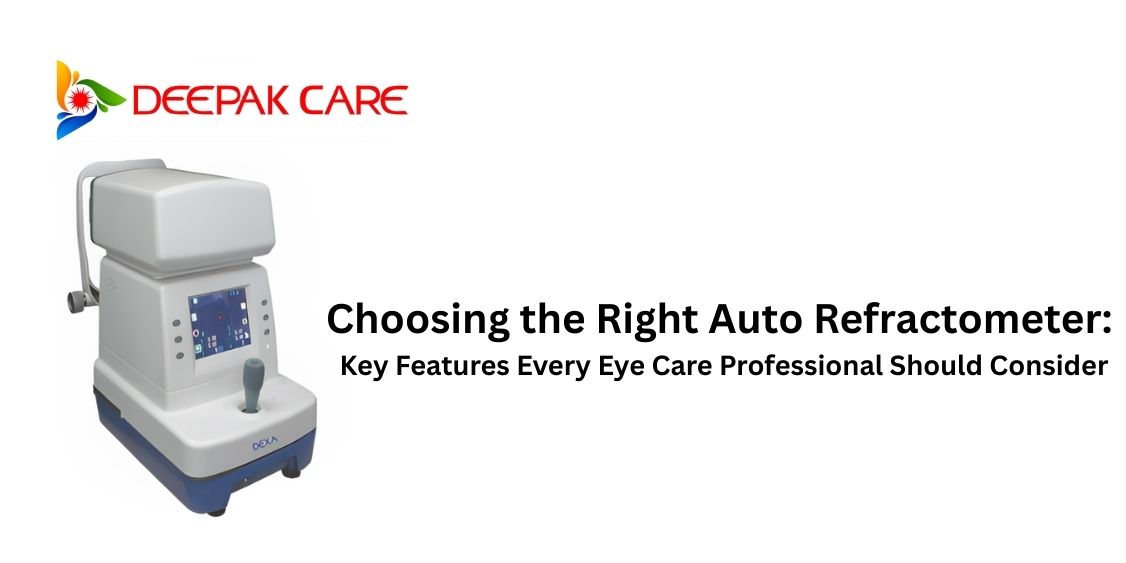
Choosing the Right Auto Refractometer: Key Features Every Eye Care Professional Should Consider

Posted on Category:Equipment
Auto Refractometer

In today’s fast-paced ophthalmic industry, precision, reliability, and efficiency are at the core of delivering exceptional patient care. Among the essential diagnostic tools in every eye clinic or optical setup, the auto refractometer stands out as a critical device for assessing refractive errors quickly and accurately. But with so many models available in the market, choosing the right one can be overwhelming. Here’s a guide to help eye care professionals make an informed decision.

1. Accuracy and Repeatability
The foremost quality to look for in an auto refractometer is its accuracy. Consistent and reliable measurements are crucial, especially when determining prescriptions for corrective lenses. A good model should deliver precise readings with minimal variability between tests. Look for instruments that incorporate advanced optical and sensor technology to ensure dependable results every time.

2. Ease of Use and Patient Comfort
Time efficiency and patient comfort go hand in hand. The ideal auto refractometer should have a user-friendly interface and intuitive touch-screen controls that simplify the operation. Features like automatic alignment, tracking, and measurement can save valuable time and reduce operator fatigue. Additionally, devices designed with shorter measurement durations help make the experience more comfortable for patients, particularly children and elderly individuals.

3. Connectivity and Data Integration
In a modern eye care setup, seamless data management is a necessity. The latest models of auto refractometer often come with USB, Wi-Fi, or Bluetooth connectivity that allows easy integration with Electronic Medical Record (EMR) systems or practice management software. This ensures smooth workflow, quick access to patient data, and reduced chances of human error.

4. Compact Design and Durability
For clinics with limited space, a compact and ergonomic design can make a big difference. A durable build with high-quality optics ensures long-term reliability and reduces maintenance costs. Always consider models that come with service support and easy calibration options to maintain accuracy over time.

5. Value for Investment
While cost is a factor, it’s essential to view it through the lens of long-term performance and reliability. Investing in a high-quality auto refractometer from a trusted brand ensures consistent diagnostic results and enhances the overall quality of patient care.
At Deepak Care, we understand the importance of precision and innovation in ophthalmic diagnostics. Our range of advanced auto refractometers is designed to meet the evolving needs of eye care professionals—offering accuracy, speed, and reliability that truly make a difference in every examination.

Empower your practice with precision. Explore the future of vision testing with Deepak Care.

Maintaining Precision: Best Practices for Care and Handling of Ophthalmic Surgical Instruments

Posted on Category:Equipment
Ophthalmic Surgical Instruments

Ophthalmic surgeries require an extraordinary level of precision. Even the smallest imperfection in a tool can affect surgical outcomes and, ultimately, patient vision. That’s why the care and handling of Ophthalmic Surgical Instruments are as critical as the skills of the surgeon using them. Proper maintenance not only extends the lifespan of these delicate tools but also ensures the highest standard of safety and accuracy in every procedure.

Gentle Handling from the Start

The journey of instrument care begins the moment a procedure ends. Ophthalmic instruments are often fine-tipped and lightweight, making them highly susceptible to damage. They should always be handled gently, preferably placed on lint-free towels or in trays lined with soft material. Dropping or stacking them can cause micro-bends or dullness, which may not be visible but can compromise their performance during surgery.

Cleaning with Care

Cleaning is one of the most important steps in maintaining Ophthalmic Surgical Instruments. Any residue, no matter how small, can corrode delicate surfaces or interfere with functionality. Instruments should be rinsed promptly in distilled or deionized water after use. Avoid harsh scrubbing—soft brushes are ideal for removing debris without scratching. For intricate designs like forceps and scissors, ultrasonic cleaning devices can be extremely effective when used properly.

Proper Sterilization Techniques

Sterilization ensures instruments are safe for the next patient, but improper methods can shorten their lifespan. Steam sterilization is commonly recommended, but care must be taken to avoid overexposure to heat and pressure. Instruments should always be sterilized in an open position to prevent stress on hinges and joints. Using sterilization trays designed specifically for ophthalmic tools helps minimize unnecessary contact and potential damage.

Regular Inspections

Routine inspections are vital for maintaining precision. Surgeons and staff should look for signs of wear such as bent tips, loose joints, or dull cutting edges. Even minor irregularities can affect surgical outcomes. Establishing a system for regular checks helps identify when an instrument requires sharpening, adjustment, or replacement before it becomes a risk in the operating room.

Storage and Longevity

When not in use, Ophthalmic Surgical Instruments should be stored in clean, dry, and protective cases. Proper organization prevents tools from knocking against each other, which could cause subtle damage over time. Controlled environments, free from excess humidity, further protect against corrosion.

The precision of ophthalmic procedures relies heavily on the condition of the tools in hand. By practicing gentle handling, meticulous cleaning, careful sterilization, routine inspections, and safe storage, medical teams can preserve the integrity of their Ophthalmic Surgical Instruments. In doing so, they not only safeguard patient outcomes but also uphold the highest standards of surgical excellence.