
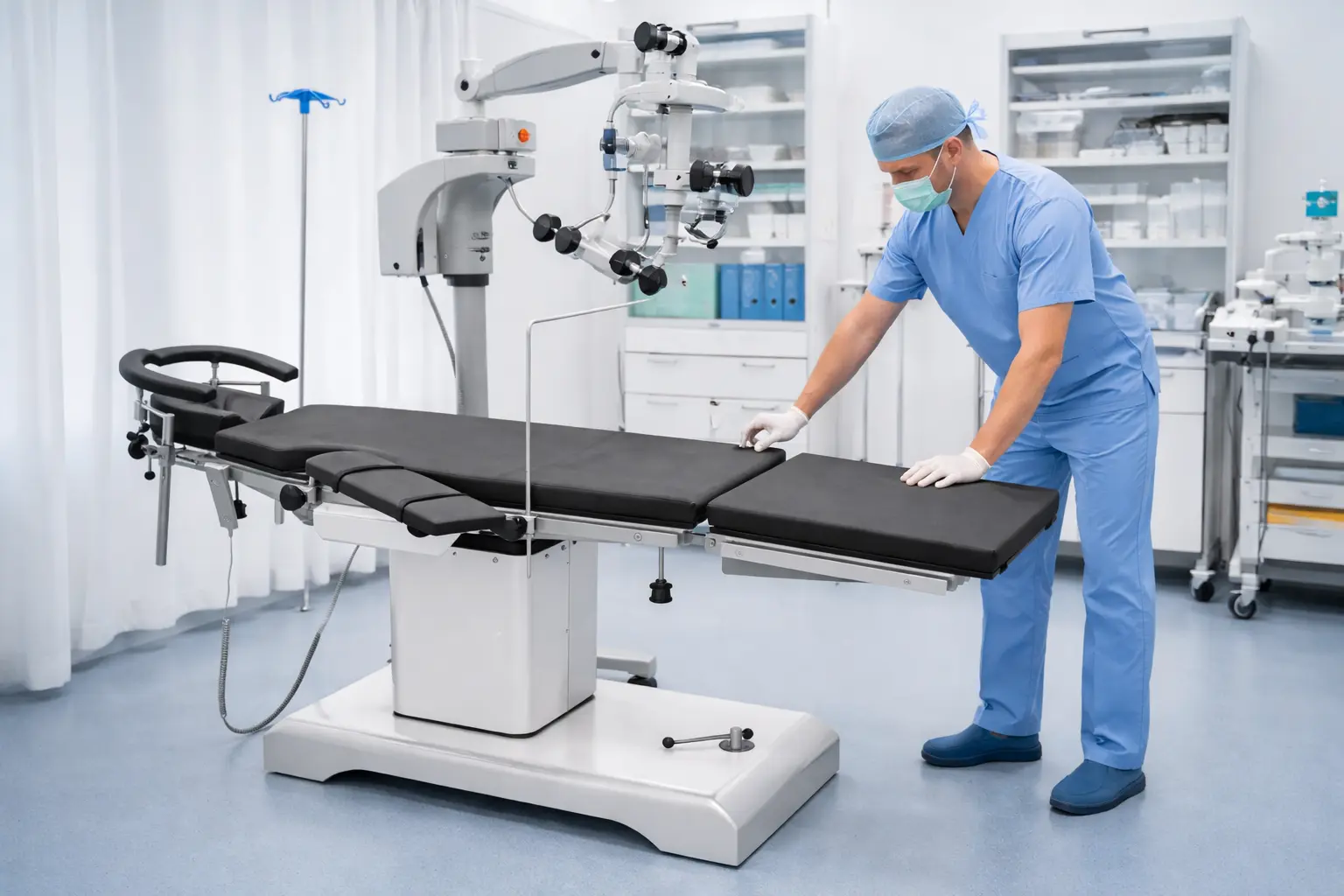
Modern eye surgeries demand exceptional precision, stability, and comfort for both the surgeon and the patient. From cataract procedures to complex retinal surgeries, the equipment used in the operating room plays a vital role in ensuring successful outcomes. Among the most critical pieces of equipment is the Ophthalmic Operating Table, which supports proper patient positioning and surgical efficiency. Choosing the right table requires careful consideration of several technical and functional factors.
Understanding the Role of an Ophthalmic Operating Table
An ophthalmic surgical environment requires absolute stability and controlled movement. The Ophthalmic Operating Table is designed specifically to meet the delicate requirements of eye surgery, where even minimal patient movement can affect surgical accuracy. Unlike general operating tables, ophthalmic tables provide precise height adjustments, smooth mobility, and ergonomic design to assist surgeons during microsurgical procedures.
These tables also ensure patient comfort during procedures that may last for extended periods. Proper design reduces strain on the patient’s neck and head while allowing surgeons to maintain optimal posture and focus throughout the operation.
Key Features to Consider
When selecting an operating table for ophthalmic procedures, several features should be evaluated carefully.
- Height Adjustment and Stability
Precise height adjustment is essential in eye surgery. The table should allow smooth and accurate vertical movement so surgeons can work comfortably with microscopes and other surgical instruments. Equally important is a sturdy base that minimizes vibrations during procedures. - Smooth and Silent Operation
Modern surgical environments require equipment that operates quietly and smoothly. Hydraulic or motorized mechanisms that allow effortless adjustments during surgery can significantly enhance surgical workflow and reduce distractions. - Ergonomic Patient Support
An ideal Ophthalmic Operating Table should provide excellent head and neck support. Adjustable headrests and contoured patient surfaces help maintain proper positioning, ensuring both patient comfort and surgical precision. - Mobility and Locking Mechanisms
Operating rooms often require flexible equipment placement. A table with smooth-rolling casters and reliable locking systems allows easy positioning while ensuring complete stability once the surgery begins.
Compatibility with Surgical Equipment
Another critical factor when selecting an ophthalmic table is compatibility with microscopes, phaco machines, and other ophthalmic instruments. The Ophthalmic Operating Table should integrate seamlessly with these devices to create an efficient and organized surgical setup.
Choosing the right operating table is an important investment for any eye care facility. A high-quality Ophthalmic Operating Table improves surgical precision, enhances patient comfort, and supports the surgeon’s workflow during delicate procedures. By focusing on stability, ergonomics, smooth adjustability, and equipment compatibility, hospitals and clinics can ensure they select a table that meets the demanding standards of modern ophthalmic surgery.