
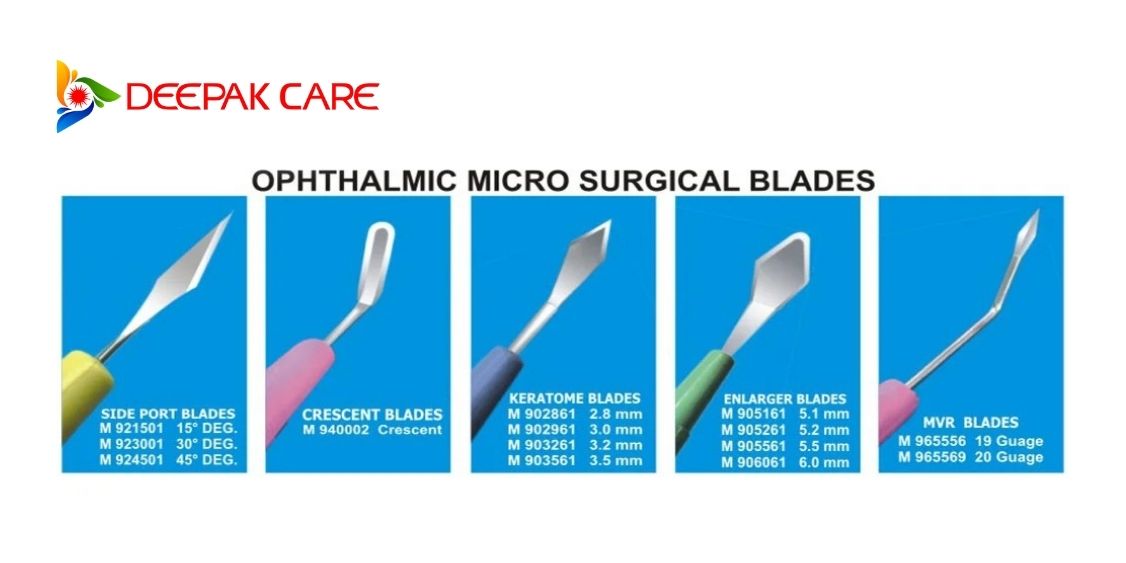
Precision, consistency, and safety are at the heart of every successful eye surgery. For ophthalmic surgeons, the choice of surgical instruments can significantly influence patient outcomes—and among these, the ophthalmic micro surgical knife plays a pivotal role. Selecting the right knife is not just a matter of preference; it’s about ensuring optimal performance, minimizing tissue trauma, and achieving precise incisions every single time.
At Deepak Care, we understand the intricate needs of modern ophthalmic procedures. With decades of experience supplying high-quality ophthalmic instruments, we recognize that choosing the right ophthalmic micro surgical knife requires attention to several critical factors.
1. Blade Sharpness and Material Quality
The sharpness and material of the blade directly impact surgical precision. A high-quality blade minimizes resistance and ensures smoother, cleaner cuts, reducing tissue damage and postoperative inflammation. Premium materials like stainless steel or diamond-coated blades offer superior edge retention and durability, ensuring reliability during delicate corneal or cataract surgeries.
2. Design and Ergonomics
Comfort and control are essential for surgeons performing intricate procedures that demand unwavering precision. Ergonomically designed handles provide a secure grip, allowing for greater maneuverability and reducing fatigue during lengthy operations. The right handle design supports steady hand movements, enhancing both accuracy and confidence in every incision.
3. Range of Blade Types and Sizes
Different ophthalmic procedures require specific blade configurations—whether it’s for corneal tunnel incisions, paracentesis, or limbal relaxing incisions. Having access to a range of blade sizes and angles allows surgeons to choose the perfect ophthalmic micro surgical knife suited for each surgical step. Flexibility in options ensures adaptability across procedures and patient needs.
4. Sterility and Quality Assurance
Safety cannot be compromised. Single-use sterile knives reduce the risk of cross-contamination and maintain consistent sharpness. Trusted manufacturers like Deepak Care follow rigorous sterilization protocols and quality checks, ensuring every knife meets global ophthalmic standards.
5. Supplier Reliability and Technical Support
Partnering with a reliable supplier is just as important as choosing the right product. Deepak Care not only delivers precision-engineered ophthalmic instruments but also provides ongoing support, helping clinics select the right configurations for specific surgical techniques.
In the evolving field of ophthalmic surgery, precision tools define excellence. By choosing the right ophthalmic micro surgical knife, surgeons and clinics can elevate their surgical outcomes—ensuring patient safety, faster recovery, and uncompromised precision in every procedure.
To know more about Deepak Care’s premium range of ophthalmic surgical products, visit www.deepakcare.com or contact info@deepakcare.com.
