
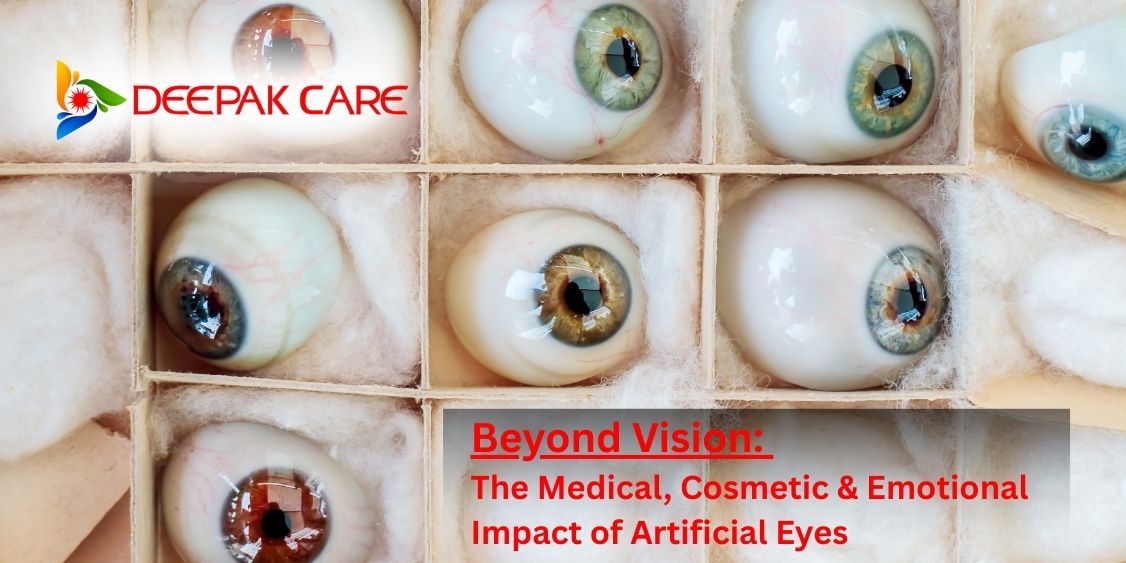
When people think about artificial eyes, the first image that often comes to mind is a simple replacement for vision. However, the reality is far more complex and profound. It’s also known as ocular prosthetics, don’t restore sight, but they do play a critical role in medical recovery, cosmetic restoration, and emotional healing. Their impact goes well beyond function—they help individuals regain confidence, dignity, and a sense of wholeness.
The Medical Perspective
Artificial eyes are usually recommended after an eye has been lost due to trauma, disease, or congenital conditions. From a medical standpoint, the prosthesis supports the health of the eye socket by maintaining its shape and preventing complications such as tissue shrinkage or infection. In many cases, these also help reduce discomfort and irritation that may occur in an empty socket, allowing patients to move forward in their recovery journey with fewer complications.
Cosmetic Transformation
Appearance plays a huge role in how we perceive ourselves and how others perceive us. Losing an eye can understandably lead to feelings of self-consciousness. Artificial eyes are carefully crafted by ocularists to match the natural eye in shape, size, and color, often down to the tiniest details like blood vessels or iris patterns. This level of artistry ensures a natural look, restoring facial symmetry and giving individuals the ability to engage socially without the constant worry of how they appear.
Emotional and Psychological Impact
The emotional journey of someone who has lost an eye can be overwhelming. Beyond the medical and cosmetic benefits, artificial eyes contribute to emotional healing. They help individuals rebuild self-esteem, return to daily life, and even overcome the social stigma that sometimes comes with visible differences. The act of looking in the mirror and seeing a complete reflection can provide immense comfort and hope, serving as a reminder that while loss has occurred, resilience and renewal are possible.
Looking Ahead
Advancements in technology continue to improve the design and comfort of artificial eyes, making them more realistic and durable than ever before. Researchers are even exploring bio-integrated prosthetics and digital innovations that could further enhance quality of life.
Ultimately, the value of artificial eyes extends far beyond their physical presence. They embody the intersection of medicine, art, and humanity—restoring not just appearance, but also confidence and emotional well-being. In many ways, they represent a powerful symbol of healing and resilience.