
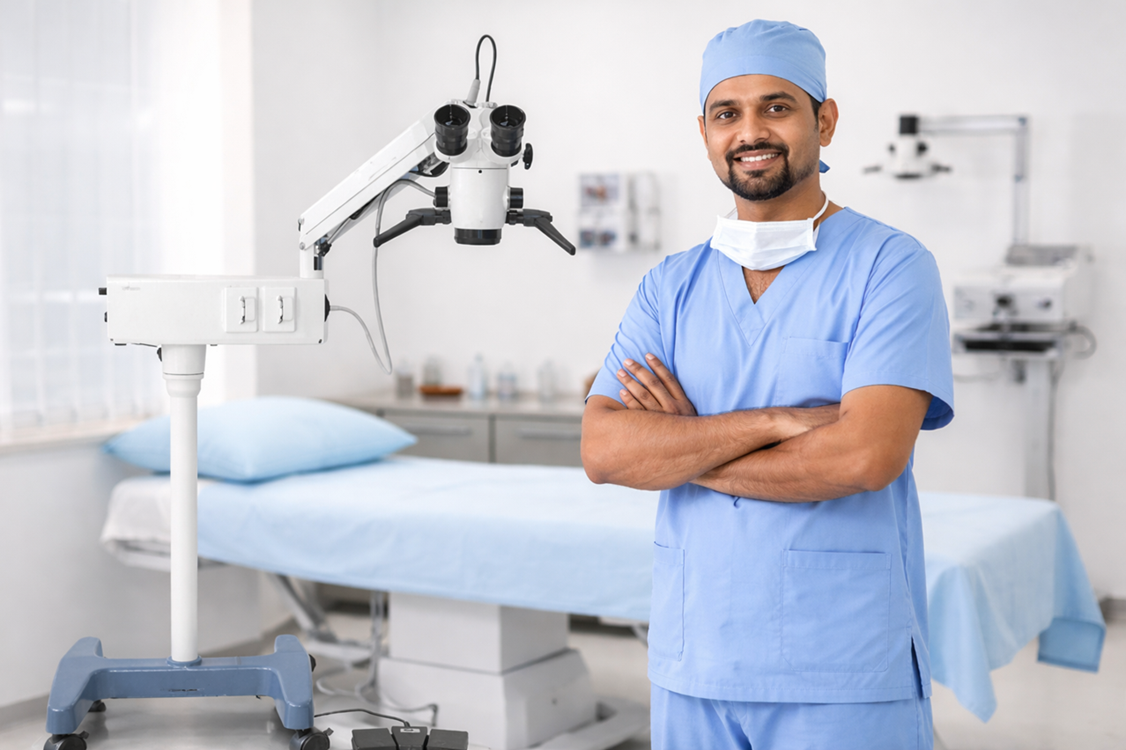
Selecting the right equipment is one of the most critical decisions for any ophthalmic surgical setup. Precision, visualization clarity, and ergonomic efficiency directly influence surgical outcomes. An Ophthalmic Operating Microscope is not just another piece of equipment — it is the surgeon’s primary visual interface with delicate ocular structures. Choosing the right system requires careful evaluation of performance, adaptability, and long-term usability to ensure optimal results in both routine and complex procedures.
Optical Performance and Image Clarity
The most important function of any Ophthalmic Operating Microscope is delivering sharp, high-resolution visualization. Superior optics allow surgeons to distinguish fine anatomical details, which is essential for procedures like cataract extraction, retinal surgery, and corneal repair.
Look for features such as:
- Apochromatic lenses for color accuracy
- High magnification with smooth zoom control
- Deep depth of field for stable focus
- Wide field of view for better orientation
Illumination Technology
Lighting quality significantly impacts surgical visibility. Modern microscopes feature LED or xenon illumination systems designed to provide bright, uniform, and shadow-free light while minimizing tissue heat exposure. Adjustable intensity and red reflex enhancement are particularly valuable in anterior segment procedures.
A high-performance Ophthalmic Operating Microscope should offer stable illumination that enhances contrast without causing glare or surgeon fatigue.
Ergonomics and Surgeon Comfort
Ophthalmic surgeries often require prolonged focus and minimal movement. Poor ergonomics can lead to fatigue, discomfort, and even long-term musculoskeletal strain. Adjustable binocular tubes, foot controls, and motorized positioning improve workflow efficiency and reduce physical stress.
Systems with customizable viewing angles and programmable settings allow surgeons to maintain a natural posture throughout procedures — an essential factor for long-term clinical productivity.
Integration and Digital Capabilities
Modern surgical environments demand connectivity. Many systems now integrate with digital imaging platforms, recording modules, and teaching displays. This enables real-time visualization for assistants, trainees, and documentation purposes.
When evaluating an Ophthalmic Operating Microscope, consider compatibility with surgical guidance systems and future technological upgrades to protect your investment.
Choosing the right microscope is a strategic decision that affects surgical precision, comfort, and patient outcomes. By carefully assessing optical quality, illumination, ergonomics, and integration capabilities, you can select a system that aligns with your practice’s clinical demands and growth plans. A well-chosen microscope becomes more than equipment — it becomes an essential partner in delivering exceptional ophthalmic care.