
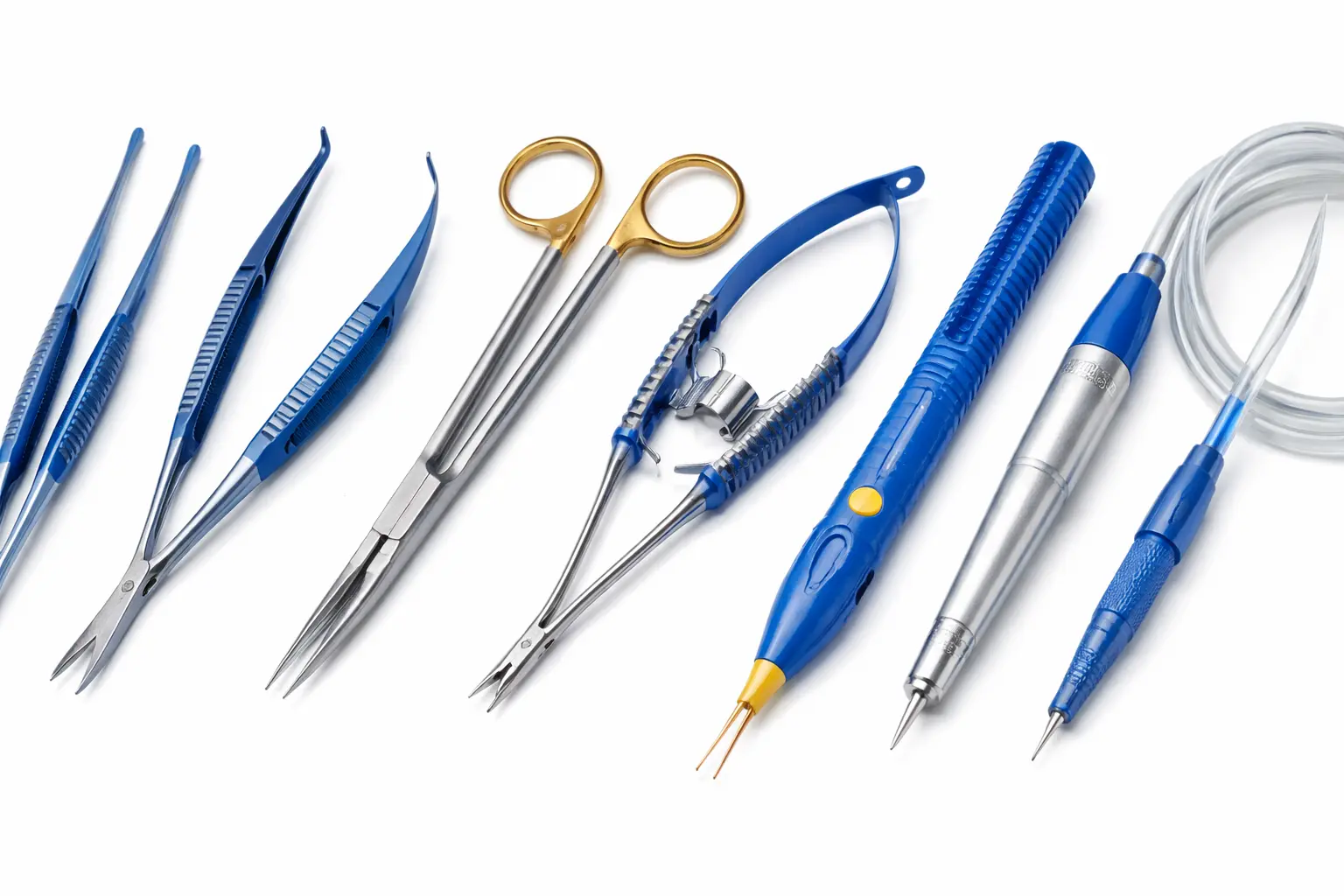
In the delicate world of eye surgery, every millimeter matters. Surgeons rely not only on their expertise but also on the tools in their hands. This is where Ophthalmic Surgical Instruments play a crucial role. High-quality tools help ensure that procedures are performed with accuracy, safety, and consistency—ultimately improving patient outcomes and overall surgical success.
Why Precision Matters in Eye Surgery
The human eye is one of the most sensitive and complex organs. Even the smallest error can affect a patient’s vision permanently. Precision becomes non-negotiable, especially in procedures such as cataract removal, corneal transplants, glaucoma surgery, or vitreoretinal operations. When surgeons have finely engineered instruments designed for accuracy, their natural skills are amplified, making procedures smoother and more predictable.
How High-Quality Instruments Enhance Surgical Control
- Superior Design and Ergonomics
Premium Ophthalmic Surgical Instruments are crafted with ergonomics in mind. Their lightweight construction, balanced grip, and smooth handling allow surgeons to operate comfortably for longer durations. A steady hand directly improves precision, especially during microsurgeries.
- Sharpness and Durability
High-grade materials, such as medical-grade stainless steel or titanium, ensure that blades and forceps maintain their sharpness and alignment over many uses. This reduces the risk of tissue damage and ensures consistent performance from the start of the operation to the end.
- Reduced Surgical Trauma
Accurate and well-aligned instruments minimize unnecessary pressure or manipulation within the eye. Less trauma translates to quicker healing, fewer complications, and a lower chance of postoperative discomfort.
Boosting Patient Safety and Outcomes
Faster Recovery Times
A precise incision made with high-quality tools heals more effectively. Patients often recover faster and experience fewer postoperative issues, improving the overall success rate of procedures.
Lower Risk of Infections
Well-manufactured instruments are easier to sterilize and keep free from contaminants. Clean, corrosion-resistant tools reduce infection risks, which is essential in maintaining patient safety.
Improved Surgical Confidence
When surgeons trust their tools, they can focus fully on the patient. High-quality Ophthalmic Surgical Instruments support smoother workflows, reduce fatigue, and enable surgeons to perform even the most complex procedures with confidence.
In modern eye care, the quality of Ophthalmic Surgical Instruments is directly tied to the success of surgical outcomes. By choosing precision-engineered tools, healthcare providers can significantly enhance accuracy, reduce complications, and offer patients the best possible results—ensuring clearer vision and a safer surgical experience.