
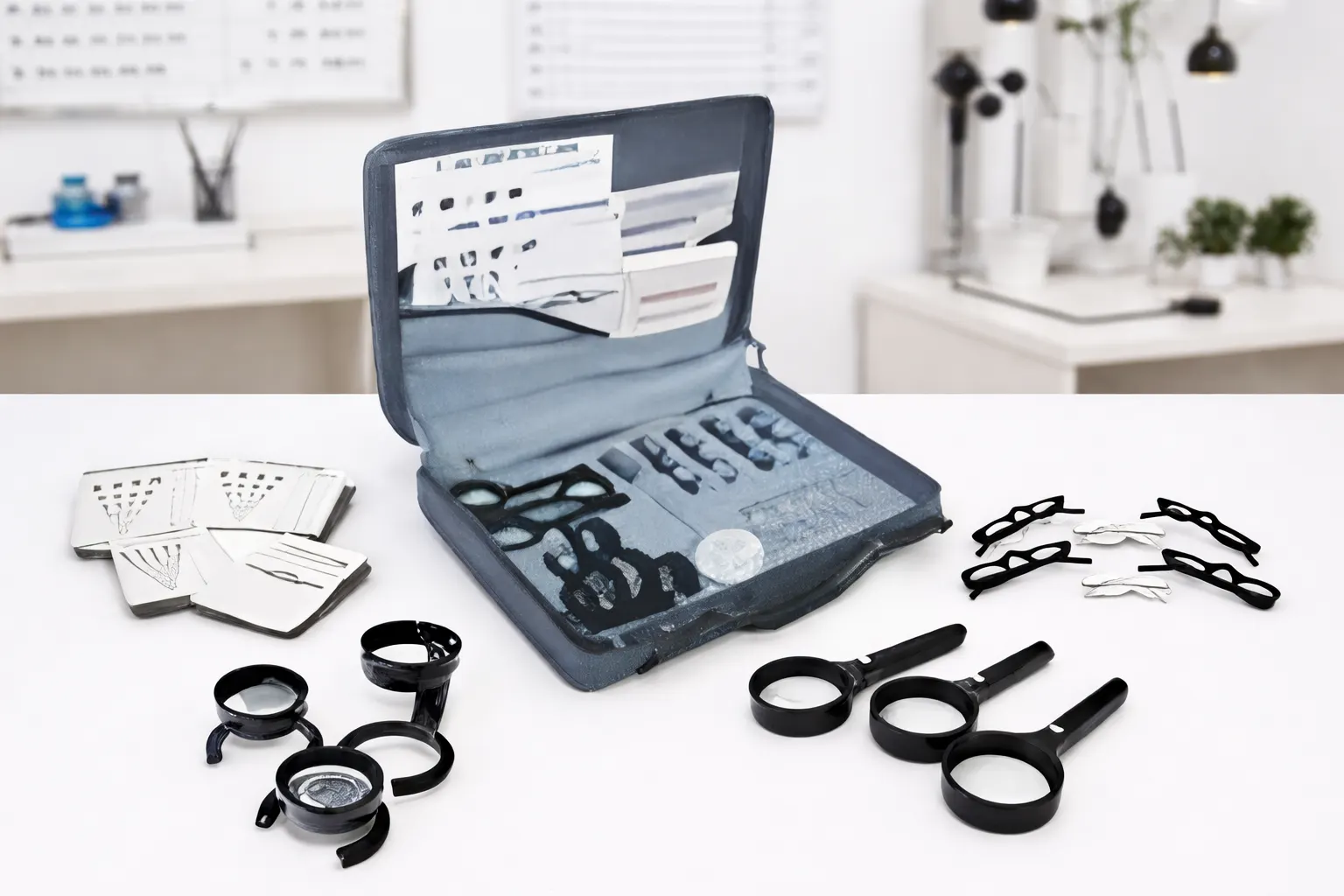
Vision loss can significantly impact daily life, making simple tasks such as reading, writing, or recognizing faces more challenging. Fortunately, modern assistive tools can help individuals maintain independence and improve their quality of life. A well-selected low vision kit provides essential devices designed to support people with visual impairment. However, choosing the right kit requires careful consideration of individual needs and professional guidance.
Understanding Low Vision and Its Challenges
Low vision refers to a visual impairment that cannot be fully corrected with standard glasses, contact lenses, or surgery. Individuals with low vision may experience blurred vision, reduced contrast sensitivity, or difficulty seeing in low light. These challenges can affect daily activities such as reading medication labels, navigating surroundings, or using digital devices.
A thoughtfully designed low vision kit contains a collection of tools that assist with these tasks, helping patients manage their vision limitations more effectively.
Key Components of a Low Vision Kit
Before selecting a kit, it is important to understand the types of tools typically included. Most kits contain devices that improve visibility, magnification, and contrast.
Common components may include handheld magnifiers, reading guides, contrast-enhancing materials, and specialized lighting tools. Some kits also include writing aids or signature guides to help with everyday tasks such as signing documents. A comprehensive low vision kit provides a combination of these tools to address multiple visual challenges.
Factors to Consider When Choosing the Right Kit
Selecting the most suitable kit involves evaluating the patient’s specific visual condition and lifestyle requirements.
Level of vision impairment: Different magnification strengths and assistive tools are needed depending on the severity of vision loss.
Daily activities: Patients who read frequently may benefit from stronger magnifiers, while those focused on mobility or writing tasks may require additional practical aids.
Ease of use: Devices should be simple, comfortable, and easy to handle, especially for elderly patients.
Eye care professionals often play a critical role in recommending the right low vision kit based on clinical assessment and patient feedback.
Guidance for Eye Care Professionals
For optometrists, ophthalmologists, and vision rehabilitation specialists, selecting the right kit involves balancing functionality with usability. Demonstrating the tools to patients and providing proper training can significantly improve outcomes. Professionals should also consider patient age, hand coordination, and lighting conditions when recommending assistive devices.
Improving Quality of Life Through the Right Tools
Choosing the appropriate low vision support tools can make a meaningful difference in a patient’s independence and confidence. With the right low vision kit, individuals can regain the ability to perform everyday activities more comfortably and maintain a higher level of autonomy.
Ultimately, collaboration between patients and eye care professionals ensures that the chosen tools provide the greatest possible benefit.